
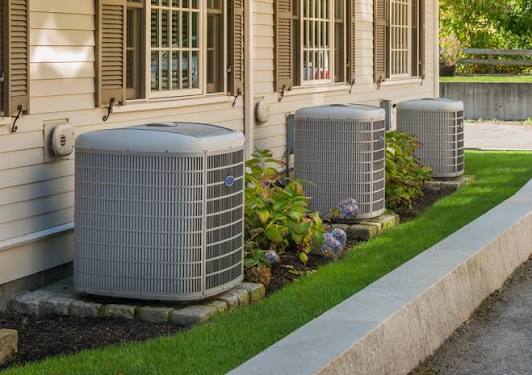
Somewhere right now a Texas homeowner is holding two quotes — one Lennox, one Trane — and asking the internet to declare a winner, as if this were Ford versus Chevy and the truth were tribal. The brand forums oblige: Trane owners quote the 'nothing stops a Trane' tagline like scripture, Lennox partisans cite efficiency ratings, and everyone's cousin had one of them fail once, which settles it.
Here's the answer nobody's cousin gives: both build excellent equipment, their reliability in credible surveys lands within a few points of each other, and the install quality gap between two local dealers is far larger than the engineering gap between the brands. That's not a cop-out — it's the single most financially useful sentence in this comparison, and the rest of the article exists to earn it and then help you actually decide.
Because you do still have to decide. Two quotes are on the table, they're real dollars apart, and 'they're both fine' doesn't sign anything. So: where the brands genuinely differ (efficiency ceilings, proprietary parts, dealer networks, price posture), what those differences mean specifically in a Texas cooling season, and the tiebreaker checklist that picks a winner between your actual quotes rather than between two marketing departments.
Quick scope-setting, since brand loyalty inflames easily: this is about the residential split-system lineups most Texans actually buy — from each brand's builder-grade singles through mid two-stage to premium variable-speed. The exotic top-end products are engineering showcases both ways; the mid-tier is where your money probably lands, per the replacement guide's value math.
And a disclosure of bias, the honest kind: everything in this series argues that commissioning, sizing, and ductwork decide comfort more than badges — see the sizing guide for that whole gospel. This article applies the gospel to a brand fight it half-refuses to have. Onward.
Skip the search-ad roulette. Tell us once, and we'll match you with a licensed, vetted Central Texas pro — price quoted before any work.
The genuine differences first.
Our climate stresses specific subsystems: coils fouling under cottonwood and cedar pollen (both brands' premium coils handle it; both need the spring cleaning regardless), capacitors and electronics cooking in 140° attic and slab-side heat (parts availability — advantage Trane's commonality — matters most for exactly these frequent-failure smalls), and compressors logging marathon runtimes (where both brands' mid-tier two-stage units, running long gentle cycles, outlast anyone's oversized single-stage — the sizing gospel again).
Humidity management, Texas's stealth comfort variable, tracks equipment tier more than badge: both brands' variable-speed lines excel at it, both brands' builder-grade singles are equally mediocre at it. If cold-but-clammy is your current complaint, the tier decision matters; the logo doesn't.
Dealer density is the quiet Texas tiebreaker: both networks blanket the Austin metro, but your specific area's strongest dealer — the one with same-week service culture and parts on the truck — might wear either logo, and August service response is worth more than two SEER2 points. Ask neighbors which dealer, not which brand, answered in July.
Compare the quotes as installs, not as logos, in this order: One — who does the commissioning, and will they document measured airflow and charge? (The single best predictor of fifteen-year satisfaction; a dealer of either brand who balks has answered everything.) Two — matched-system AHRI pairing and its real ratings, not brochure-best numbers. Three — the load calculation happened, per the sizing guide, and tonnage matches it. Four — labor warranty length and who answers year-six calls — the badge's 10-year parts mean little with a dealer who dodges. Five — only now, price, tier-for-tier, with the incentive stack applied to both.
If both quotes pass one through four: buy the cheaper one, or the one whose crew you'd rather have in your attic, and never think about the logo again — you've reached the zone where the brands genuinely tie.
If only one passes: you just learned the answer, and it had nothing to do with Lennox or Trane. That's the punchline this whole category deserves — the badge on the condenser matters a fraction as much as the fingerprints on the install, which is why the network vets installers, not logos, and why your happiest possible outcome is a great dealer who happens to sell either. Both brands will cool your Texas house for fifteen years; only a good install will do it at the efficiency, humidity, and silence you paid for.
Fifteen-year ownership means the comparison that matters most happens years after the badge argument: when something fails in August of year nine, what happens next? Here the brand differences become practical again. Parts logistics: Trane's higher component commonality means a failed motor or board is likelier to be on a distributor shelf — or a competitor's truck — same-week; Lennox's proprietary-leaning ecosystem can add days when the part must come through brand channels, which is precisely when the strength of your original dealer relationship gets tested. Warranty administration: both brands honor registered 10-year parts coverage, but claims flow through dealers, and a dealer who's exited the brand (or business) leaves you finding a new servicer mid-claim — one more reason the dealer's stability belonged in the original decision. Labor exposure: parts warranties never covered labor, and year-nine labor on either badge runs the same real money — which is why the extended labor warranty question at purchase quietly outvalues the brand question entirely.
The aging pattern owners actually report: both brands' mid-tier equipment, competently installed and maintained, reaches the Texas 12–15 year window without drama; both brands' equipment installed carelessly develops the same coil leaks, airflow complaints, and premature compressor wear — assigned by owners to the badge, earned by the install. The lesson repeats because it's true.
Standing between two quotes right now? The compressed ruling: both brands are top-shelf; Lennox edges peak efficiency, Trane edges parts pragmatism; the price gap between your quotes is dealer economics, not engineering; and the checklist — commissioning documentation, AHRI pairing, load calculation, labor warranty, then price — picks your winner in five questions. If both dealers pass, flip a coin with confidence or buy the crew you liked. If the incentive stack favors one quote's qualifying tier, let the rebates vote. And if neither dealer will document commissioning — the depressingly common case — keep quoting: the network's installers treat measurement as standard, wear whichever badges they wear, and will outperform both logos anyway. That's the whole comparison, honestly settled: buy the install, receive the brand.
Postscript for the forum warriors: none of this diminishes brand pride — a well-installed Trane and a well-installed Lennox are both fifteen-year friendships, and owners of each are right to be satisfied. The argument this article picks is only with the idea that the badge decided it. It didn't; the crew did. Cheers to both logos, and to the installers who make either one look good.